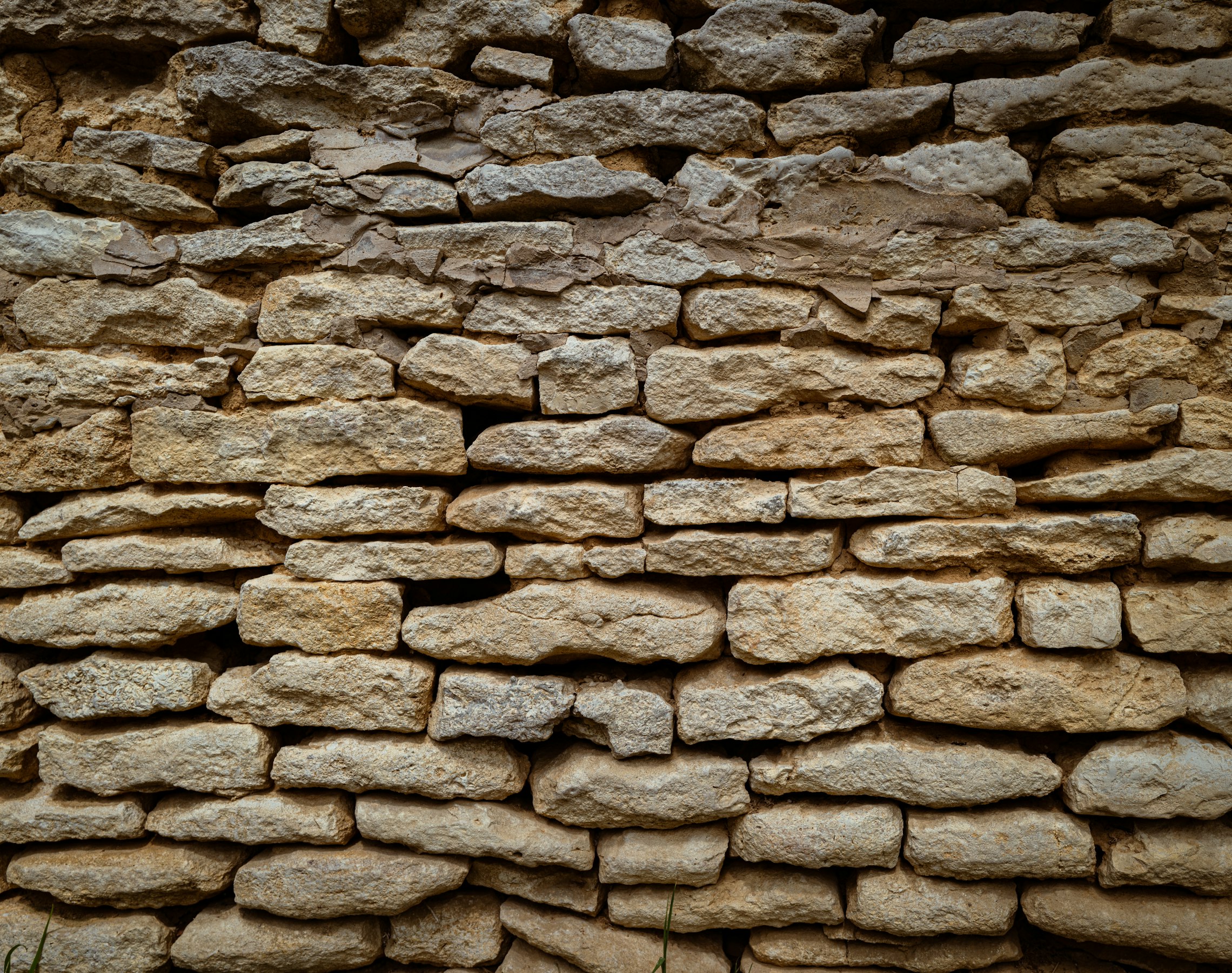
Esce il dodicesimo volume dei «Quaderni della costruzione», dedicato al villaggio turistico «I Grappoli». Non racconta un'immagine, racconta una tecnica: stratigrafie, giunti, materiali. È esattamente la domanda che poniamo noi prima di aprire un cantiere in una struttura ricettiva.The twelfth volume of the «Quaderni della costruzione» series is out, devoted to the «I Grappoli» holiday village. It documents a technique rather than an image: layers, joints, materials. It is exactly the question we ask before opening a site in a hospitality building.
Un quaderno che guarda dentro l'edificioA study that looks inside the building
Come racconta Il Giornale dell'Architettura, la collana curata da Franz Graf e Britta Buzzi Huppert dedica il nuovo volume a un complesso per vacanze, letto attraverso disegni, fotografie e modelli. Il quaderno accompagna la mostra sulla costruzione dell'architettura in Ticino fra il 1939 e il 1996, al Teatro dell'architettura di Mendrisio, aperta fino al 20 dicembre 2026, con presentazione pubblica il 14 ottobre alle 18.30.As Il Giornale dell'Architettura reports, the series edited by Franz Graf and Britta Buzzi Huppert devotes its new volume to a holiday complex, read through drawings, photographs and models. The study accompanies the exhibition on the construction of architecture in Ticino between 1939 and 1996, at the Teatro dell'architettura in Mendrisio, open until 20 December 2026, with a public presentation on 14 October at 6.30 pm.
Ci colpisce la scelta dell'oggetto. Non una chiesa, non un museo: un villaggio turistico. Un'architettura dell'ospitalità trattata come un sistema costruttivo da conoscere, misurare e conservare. È un gesto che sposta l'attenzione dall'effetto finale al modo in cui quell'effetto è stato ottenuto, pezzo per pezzo.What strikes us is the choice of subject. Not a church, not a museum: a holiday village. Hospitality architecture treated as a construction system to be understood, measured and conserved. It shifts attention from the final effect to the way that effect was achieved, piece by piece.
Perché la tettonica non è un lusso teoricoWhy tectonics is not a theoretical luxury
Tettonica è una parola che spaventa, ma significa una cosa concreta: come gli elementi di un edificio stanno insieme. Dove appoggia un solaio, come si chiude un giunto, quanti strati ci sono dentro un muro e in che ordine. Chi conosce queste risposte sa dove può intervenire senza rompere l'equilibrio di ciò che esiste.Tectonics is an intimidating word for a very concrete thing: how the parts of a building hold together. Where a floor slab rests, how a joint closes, how many layers sit inside a wall and in what order. Whoever knows these answers knows where to intervene without upsetting the balance of what already stands.
Nel nostro lavoro il rilievo delle stratigrafie precede sempre il disegno. Un intonaco a calce su muratura di tufo si comporta in un modo, un cappotto sintetico in un altro; un controsoffitto può nascondere una trave o una canna fumaria. Scoprirlo a demolizione avviata significa varianti, cioè tempo e denaro.In our work, surveying the layers always comes before drawing. Lime render on a tuff wall behaves one way, a synthetic insulation board another; a false ceiling can hide a beam or a flue. Discovering this once demolition has started means variations, which is to say time and money.
Per questo nel nostro metodo la contingenza tecnica parte da ±20% e scende sotto il 5% quando il progetto esecutivo è chiuso. Non è prudenza burocratica: è il modo in cui la conoscenza dell'edificio si trasforma in una cifra affidabile.This is why our technical contingency starts at ±20% and drops below 5% once the detailed design is closed. It is not bureaucratic caution: it is how knowledge of a building turns into a reliable figure.
Un edificio non si giudica da come appare, ma da quanto è comprensibile a chi dovrà rimetterci le mani.A building is judged not by how it looks, but by how legible it remains to whoever must work on it next.
Il patrimonio turistico mediterraneo ha sessant'anniMediterranean tourism stock is sixty years old
Gran parte dell'ospitalità siciliana e maltese è nata fra gli anni Sessanta e Ottanta: pensioni sul mare, residence, alberghi di media dimensione, costruiti con tecniche miste e spesso senza documentazione. Oggi molti di questi edifici arrivano sul tavolo di un nuovo proprietario che vuole trasformarli in strutture ricettive contemporanee.Much of Sicilian and Maltese hospitality was built between the 1960s and 1980s: seaside guesthouses, residences, mid-sized hotels, made with mixed techniques and often with no documentation. Today many of these buildings land on the desk of a new owner who wants to turn them into contemporary places to stay.
La tentazione è cancellare tutto e ripartire. Quasi sempre è la scelta che pesa di più sul budget. Un telaio in cemento armato degli anni Sessanta, se sano, regala luci libere e altezze che oggi nessuno costruirebbe allo stesso costo. Una scala in pietra, una pensilina sottile, una loggia continua sono valore, non ingombro.The temptation is to erase everything and start again. It is nearly always the option that weighs most on the budget. A sound 1960s reinforced concrete frame offers free spans and ceiling heights nobody would build today at the same cost. A stone stair, a thin canopy, a continuous loggia are assets, not obstacles.
Conservare l'architettura moderna non vuol dire congelarla. Vuol dire scegliere con cognizione: quali strati tolgo, quali tengo, dove aggiungo prestazione — isolamento, impianti, acustica — senza tradire la logica costruttiva che regge l'edificio.Conserving modern architecture does not mean freezing it. It means choosing knowingly: which layers to remove, which to keep, where to add performance — insulation, services, acoustics — without betraying the constructional logic that holds the building up.
Cosa significa per chi costruisce in SiciliaWhat this means for building in Sicily
A Sambuca di Sicilia abbiamo lavorato su una vecchia casa del centro storico trasformata in alloggio per ospiti: muri di spessore irregolare, volte, solai rimaneggiati nel tempo. Il progetto è nato dopo il rilievo, non prima. Ogni apertura nuova è stata decisa guardando dove la muratura poteva permetterselo.In Sambuca di Sicilia we worked on an old house in the historic centre, turned into a place for guests to stay: walls of uneven thickness, vaults, floors altered over time. The design came after the survey, not before. Every new opening was decided by looking at where the masonry could take it.
Ad Alcamo, dentro le mura di una chiesa cinquecentesca sconsacrata, il progetto Prior Ecclesia ci ha imposto la stessa disciplina: nuove funzioni appoggiate all'esistente come un sistema autonomo, riconoscibile e reversibile. Chi verrà dopo di noi deve poter capire cosa è antico e cosa abbiamo aggiunto.In Alcamo, inside the walls of a deconsecrated sixteenth-century church, the Prior Ecclesia project imposed the same discipline: new functions set against the existing fabric as an autonomous, legible, reversible system. Whoever comes after us must be able to tell what is old and what we added.
In Sicilia e a Malta c'è poi un fattore che decide tutto: il clima. Salsedine, escursioni termiche, luce radente che smaschera ogni fuori squadra. Un dettaglio costruttivo che tiene a Mendrisio può cedere a Favignana. Per questo i materiali locali — pietra, calce, intonaci traspiranti — restano spesso la risposta più intelligente, non la più nostalgica.In Sicily and Malta one factor decides everything: climate. Salt, temperature swings, raking light that exposes every misalignment. A detail that performs in Mendrisio can fail in Favignana. Which is why local materials — stone, lime, breathable renders — are often the most intelligent answer, not the most nostalgic one.
Documentare oggi per ristrutturare domaniDocumenting today to renovate tomorrow
Il valore di un quaderno come quello su «I Grappoli» sta nel fatto che qualcuno, fra trent'anni, saprà come quell'edificio è fatto. Noi archiviiamo allo stesso modo: rilievi, sezioni di dettaglio, schede dei materiali, fotografie di cantiere prima che l'intonaco chiuda tutto. È la parte meno visibile del lavoro e la più utile nel tempo.The worth of a study like the one on «I Grappoli» lies in the fact that someone, thirty years from now, will know how that building was made. We archive in the same way: surveys, detail sections, material schedules, site photographs taken before the render closes everything. It is the least visible part of the work and the most useful over time.
Per un committente questo si traduce in due cose semplici. La manutenzione costa meno, perché si sa dove intervenire. E la proprietà vale di più, perché è documentata: chi compra o finanzia una struttura ricettiva vuole sapere cosa c'è dietro un rivestimento, non fidarsi di una resa.For a client this translates into two simple things. Maintenance costs less, because you know where to act. And the property is worth more, because it is documented: anyone buying or financing a hospitality building wants to know what sits behind a finish, not to trust a render.
Da dove si parte per ristrutturare una struttura ricettiva?Where do you start when renovating a hospitality building?
Dal rilievo dell'esistente: geometrie, stratigrafie dei muri e dei solai, impianti, stato delle strutture. Solo dopo si decide la distribuzione e il numero di camere. Invertire l'ordine porta varianti in corso d'opera, cioè costi e ritardi che si potevano evitare.From surveying what is there: geometry, wall and floor build-ups, services, structural condition. Only then do you decide layout and room count. Reversing that order produces variations on site, meaning avoidable cost and delay.
Conviene demolire o recuperare un edificio degli anni Sessanta?Is it better to demolish or recover a 1960s building?
Dipende dallo stato delle strutture, ma spesso il recupero conviene. Un telaio in cemento armato sano offre luci e altezze difficili da riprodurre oggi allo stesso costo, e permette di concentrare il budget su involucro, impianti e finiture.It depends on structural condition, but recovery is often the better option. A sound reinforced concrete frame gives spans and ceiling heights hard to reproduce today at the same cost, letting you concentrate budget on envelope, services and finishes.
Che cos'è un dettaglio costruttivo e perché conta?What is a construction detail and why does it matter?
È il disegno in scala grande del punto in cui due materiali si incontrano: un davanzale, un giunto, l'attacco a terra. Decide durata, tenuta all'acqua e aspetto nel tempo. In Sicilia e a Malta, con salsedine e luce radente, un dettaglio sbagliato si vede entro pochi anni.It is the large-scale drawing of the point where two materials meet: a sill, a joint, a wall base. It governs durability, water tightness and how a surface ages. In Sicily and Malta, with salt and raking light, a poor detail shows within a few years.
Avete un edificio da riportare in vita come struttura ricettiva? Partiamo da come è fatto.Do you have a building to bring back to life as a place to stay? Let's start from how it was made.
ParliamoneLet's talk →Foto di copertina: Éole Wind su Unsplash.Cover photo: Éole Wind on Unsplash.