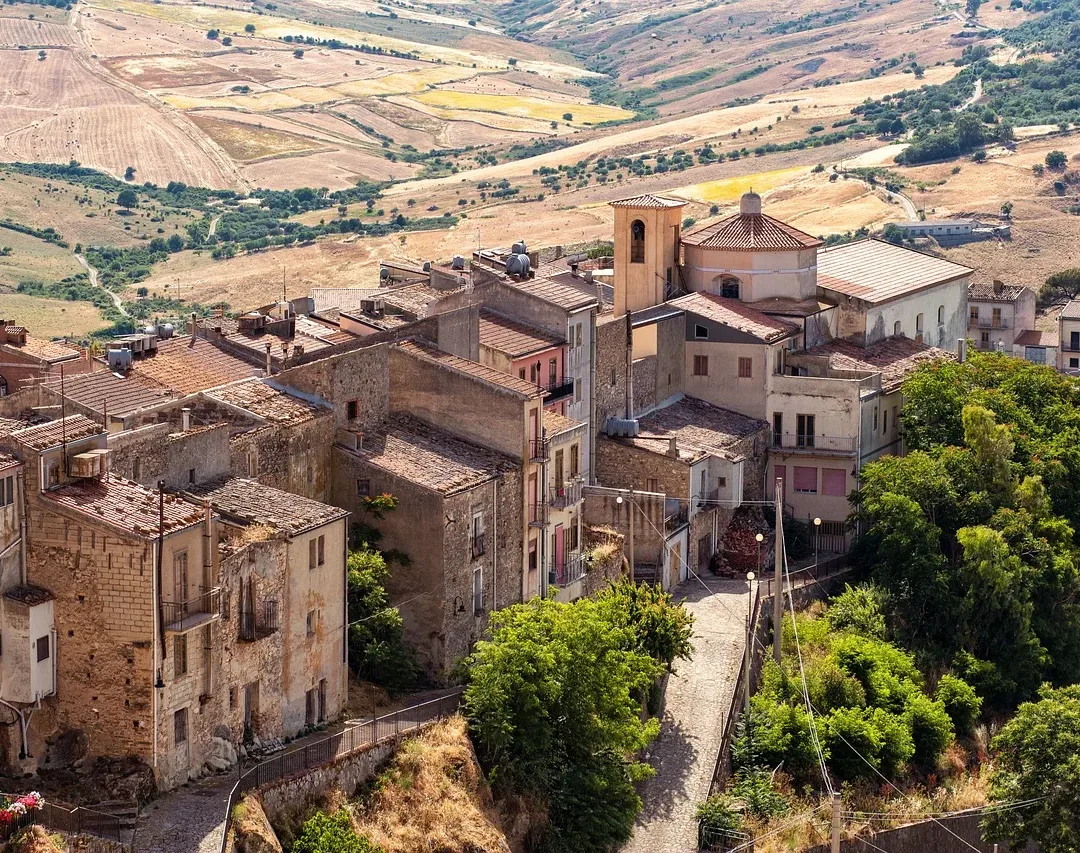
Ischia ha circa 60.000 abitanti, un terremoto nel 2017 e una frana nel novembre 2022 ancora iscritti nel paesaggio. Il Giornale dell'Architettura le ha dedicato un reportage che si chiude su una tesi netta: recuperare l'esistente, non espandere. È il terreno su cui lavoriamo ogni giorno.Ischia has around 60,000 residents, a 2017 earthquake and a November 2022 landslide still written into its landscape. Il Giornale dell'Architettura devoted a report to it, closing on a clear point: repair what exists, don't expand. That is our daily ground.
Perché le isole non sopportano l'espansioneWhy islands cannot absorb expansion
Un'isola è un sistema chiuso. Il suolo non si allarga, l'acqua è contata, le strade hanno la sezione che hanno. Ogni metro cubo in più pesa due volte: una quando si costruisce, una ogni giorno dopo, nel traffico, negli scarichi, nei versanti caricati di peso che non erano fatti per reggerlo. A Ischia questo conto si è presentato con il terremoto del 2017 e con la frana di Casamicciola del novembre 2022.An island is a closed system. The land does not grow, water is finite, roads are the width they are. Every extra cubic metre weighs twice: once when it is built, then every day after — in traffic, in drainage, in slopes loaded with weight they were never meant to carry. On Ischia that bill arrived with the 2017 earthquake and the Casamicciola landslide of November 2022.
La Sicilia e Malta ci hanno insegnato la stessa cosa con tempi diversi. A Favignana, a Sambuca, nei centri storici costieri, il patrimonio c'è già: è vuoto, è fermo, spesso è stato manomesso negli ultimi quarant'anni. Lavorare lì non è una rinuncia, è la scelta più ambiziosa. Richiede di capire un edificio prima di toccarlo, e questo richiede tempo e misura.Sicily and Malta taught us the same thing on a different timescale. In Favignana, in Sambuca, in coastal old towns, the stock already exists: empty, dormant, often badly altered over the last forty years. Working there is not a compromise, it is the more ambitious choice. It means understanding a building before touching it, and that takes time and measure.
L'architettura isolana sa già come si faIsland architecture already knows how
Volumi compatti, intonaci a calce, logge, aperture piccole sul lato del sole e generose verso l'ombra: l'edilizia tradizionale delle isole non è folclore, è termodinamica verificata su secoli. La calce respira e lascia asciugare i muri. La pietra locale accumula fresco e lo restituisce la notte. La loggia è un filtro climatico prima che un gesto estetico.Compact volumes, lime render, loggias, small openings towards the sun and generous ones towards shade: traditional island building is not folklore, it is thermodynamics tested over centuries. Lime breathes and lets walls dry. Local stone stores coolness and gives it back at night. A loggia is a climate filter before it is an aesthetic gesture.
Quando recuperiamo un edificio antico non lo imitiamo e non lo mascheriamo. Lo rileggiamo. A Sambuca di Sicilia, in una vecchia casa del centro storico trasformata in casa di accoglienza per ospiti, abbiamo tenuto l'impianto murario e la sequenza delle stanze, togliendo gli strati posticci. Lo spazio ha ritrovato la propria logica senza bisogno di citazioni.When we recover an old building we neither imitate nor disguise it. We reread it. In Sambuca di Sicilia, in an old house in the historic centre turned into a place to host guests, we kept the masonry layout and the sequence of rooms, stripping away the false layers. The space found its own logic again, with no need for quotation.
Su un'isola non si costruisce di più: si costruisce meglio, dentro quello che c'è già.On an island you don't build more. You build better, inside what is already there.
La ricettività si aggiorna, non si moltiplicaHospitality updates itself, it does not multiply
Il patrimonio alberghiero di Ischia nasce legato alle terme e oggi cerca un aggiornamento. È la stessa domanda che riceviamo da Palermo, dalle Egadi, da Malta: non servono nuove camere, serve che le camere esistenti valgano di più. Un bagno rifatto bene, un impianto che non si sente, una luce che la sera non abbaglia: sono questi i fattori che cambiano la tariffa media e la stagione.Ischia's hotel stock grew out of its thermal baths and is now looking for an update. It is the same question we get from Palermo, the Egadi islands, Malta: nobody needs more rooms, they need existing rooms to be worth more. A bathroom done properly, services you never hear, evening light that does not glare — these are what shift average rates and extend the season.
Lavorare su strutture ricettive esistenti significa anche ragionare sulla stagione. Una struttura pensata solo per luglio e agosto resta chiusa otto mesi e consuma valore. Progettare spazi che funzionino anche con dieci ospiti e con il vento di gennaio è un problema di proporzione, di riscaldamento e di zone che si possono spegnere. Si risolve in pianta, prima che nei materiali.Working on existing hospitality buildings also means thinking about the season. A property built for July and August sits closed for eight months and burns value. Designing spaces that still work with ten guests and a January wind is a question of proportion, heating and zones you can switch off. It is solved in plan, before it is solved in materials.
Cosa significa per chi ristruttura in SiciliaWhat this means if you renovate in Sicily
Chi compra una casa su un'isola o su una costa vincolata si trova davanti due realtà: la perizia tecnica e il parere paesaggistico. La prima dice cosa regge l'edificio, la seconda cosa si può vedere da fuori. Entrambe vanno affrontate prima del progetto, non dopo. Un rilievo strutturale onesto all'inizio costa poco e salva mesi; scoperto in cantiere, lo stesso dato può ribaltare il budget.Anyone buying a house on an island or a protected coastline faces two realities: the structural survey and the heritage consent. The first says what the building can carry, the second what may be seen from outside. Both belong before design, not after. An honest structural survey early costs little and saves months; discovered on site, the same fact can overturn a budget.
Per questo nel nostro metodo di lavoro il quadro economico viene prima del disegno, con una contingenza iniziale che si stringe man mano che il progetto si definisce. Sulle isole il margine va trattato con rispetto ulteriore: trasporti, maestranze disponibili, finestre meteo. Un ponteggio in gennaio su una costa esposta non è lo stesso ponteggio di Palermo.That is why in our way of working the cost picture comes before the drawing, with an initial contingency that narrows as the design firms up. On islands that margin deserves extra respect: transport, available trades, weather windows. Scaffolding in January on an exposed coast is not the scaffolding you put up in Palermo.
Infine la materia. Importare tutto da terraferma è possibile ma raramente conveniente, e quasi mai coerente. Pietra locale, calce, legno trattato per la salsedine: scelte che invecchiano bene e che si possono riparare. La manutenzione è parte del progetto, non un difetto da rimandare.Finally, materials. Importing everything from the mainland is possible but rarely economical, and almost never coherent. Local stone, lime, timber treated for salt air: choices that age well and can be repaired. Maintenance is part of the design, not a flaw to postpone.
Mettere in sicurezza è già architetturaMaking a site safe is already architecture
La fragilità idrogeologica dei versanti non è un capitolo separato dal progetto. Un muro di contenimento, una regimazione delle acque, un terrazzamento rifatto a secco sono opere di architettura a tutti gli effetti: hanno misura, materia, forma. Trattarle come lavori accessori da nascondere è il modo più sicuro per ottenere oggetti brutti e, col tempo, inefficaci.Slope instability is not a chapter separate from design. A retaining wall, a drainage layout, a dry-stone terrace rebuilt properly are works of architecture in full: they have scale, material, form. Treating them as ancillary work to be hidden is the surest way to get ugly objects that, in time, stop working.
I muri a secco di pietra lavica che reggono i terrazzamenti di Ischia funzionano perché drenano. Gli stessi principi valgono sull'Etna, nelle Eolie, sulle colline palermitane. Ricostruirli bene significa capire come scorre l'acqua. Non è nostalgia: è l'unica tecnica che si lascia riparare pietra per pietra, senza demolire.The dry lava-stone walls holding Ischia's terraces work because they drain. The same principles hold on Etna, in the Aeolian islands, on the hills behind Palermo. Rebuilding them well means understanding how water moves. This is not nostalgia: it is the only technique that can be repaired stone by stone, without demolition.
Conviene ristrutturare una casa su un'isola invece di costruirne una nuova?Is it better to renovate a house on an island than build a new one?
Quasi sempre sì. Sulle isole il suolo edificabile è scarso e i vincoli paesaggistici sono stringenti: un edificio esistente ha già volumetria, accessi e spesso una posizione che oggi non sarebbe autorizzabile. Il recupero parte da un rilievo strutturale e dal parere paesaggistico, da affrontare prima del progetto.Almost always yes. On islands buildable land is scarce and heritage controls are strict: an existing building already has volume, access and often a position that could not be approved today. Retrofit starts with a structural survey and planning consent, both handled before design.
Quali materiali usare per una casa in pietra nel Mediterraneo?Which materials suit a stone house in the Mediterranean?
Pietra locale, intonaci a calce e legno trattato per la salsedine. La calce lascia respirare le murature antiche e permette ai muri di asciugare; i cementi impermeabili, al contrario, intrappolano l'umidità. La pietra accumula fresco di giorno e lo restituisce la notte, riducendo il carico sul raffrescamento.Local stone, lime render and timber treated for salt air. Lime lets old masonry breathe and dry out; impermeable cement renders trap moisture instead. Stone stores coolness by day and releases it at night, reducing the load on cooling systems.
Come si riqualifica una struttura ricettiva su un'isola?How do you upgrade a hospitality property on an island?
Partendo dal valore per camera, non dal numero di camere. Si interviene su bagni, impianti silenziosi, luce serale e spazi comuni che funzionino anche fuori stagione, con zone che si possono spegnere. Vanno messi in conto trasporti, maestranze locali e finestre meteo, che incidono su tempi e costi di cantiere.Start from value per room, not room count. Focus on bathrooms, quiet building services, evening light and shared spaces that work out of season, with zones you can switch off. Factor in transport, local trades and weather windows: all affect site timing and cost.
State pensando di recuperare una casa o una struttura ricettiva su un'isola del Mediterraneo? Parliamone.Thinking of restoring a house or a small hotel on a Mediterranean island? Let's talk.
ParliamoneLet's talk →Foto di copertina: Sammy-Sander su Pixabay.Cover photo: Sammy-Sander on Pixabay.